The Altiplano
Estepario
A million hectares of steppe, almond groves and sierra in south-eastern Spain, where a group of local organisations has come together to regenerate the landscape and work out how to fund it.
The landscape
A steppe that can be regenerated
The Altiplano Estepario is a plateau of semi-arid Mediterranean steppe, between 600 and 1,300 metres high, stretching between Granada and Murcia across five comarcas: the Altiplano de Granada, Los Vélez, the Alto Almanzora, Guadix and the Noroeste de Murcia. It gets between 200 and 450 millimetres of rain a year, summers burn and winters freeze, and yet it is one of the most biodiverse areas per hectare in Europe.
That richness is under pressure. Soils lose between 20 and 30 tonnes per hectare a year, almond and olive monocultures push out the habitat of steppe birds, and villages are emptying and ageing. But the landscape also has ways to respond: farmers already trying regenerative practices, some 50,000 hectares that could become ecological corridors, and more than a decade of work with the 4 Returns framework.
- ~1 M ha
- of landscape, a quarter of the Netherlands
- ~200.000
- inhabitants, fewer and older each year
- 5.000
- farmers, mostly on family farms
- 20–30 t
- of soil lost per hectare each year
What we are doing
Aligning capital with regeneration
Most of the work that regenerates a landscape earns no income of its own, and the work that does needs years and patient capital to get there. Since 2025, a group of organisations in the landscape has worked together to close that gap: understanding what the Altiplano needs, designing the mechanisms that can fund it, and speaking with one voice to funders and institutions.
This site is where that work is shared openly. Organisations and interventions are updated from their database every few hours.
- 5
- organisations in the core
- 5
- work areas
- 68
- interventions in the portfolio
- 84.4m €
- of financing they add up to
Explore
From the landscape we imagine to how to make it happen
Start with the question that brings you here: where the landscape is heading, who is driving it, what needs to be done, where the money can come from, or what the change costs on a farm.
-
01 Imagine
Regenerative vision
What would the regenerated landscape look like?
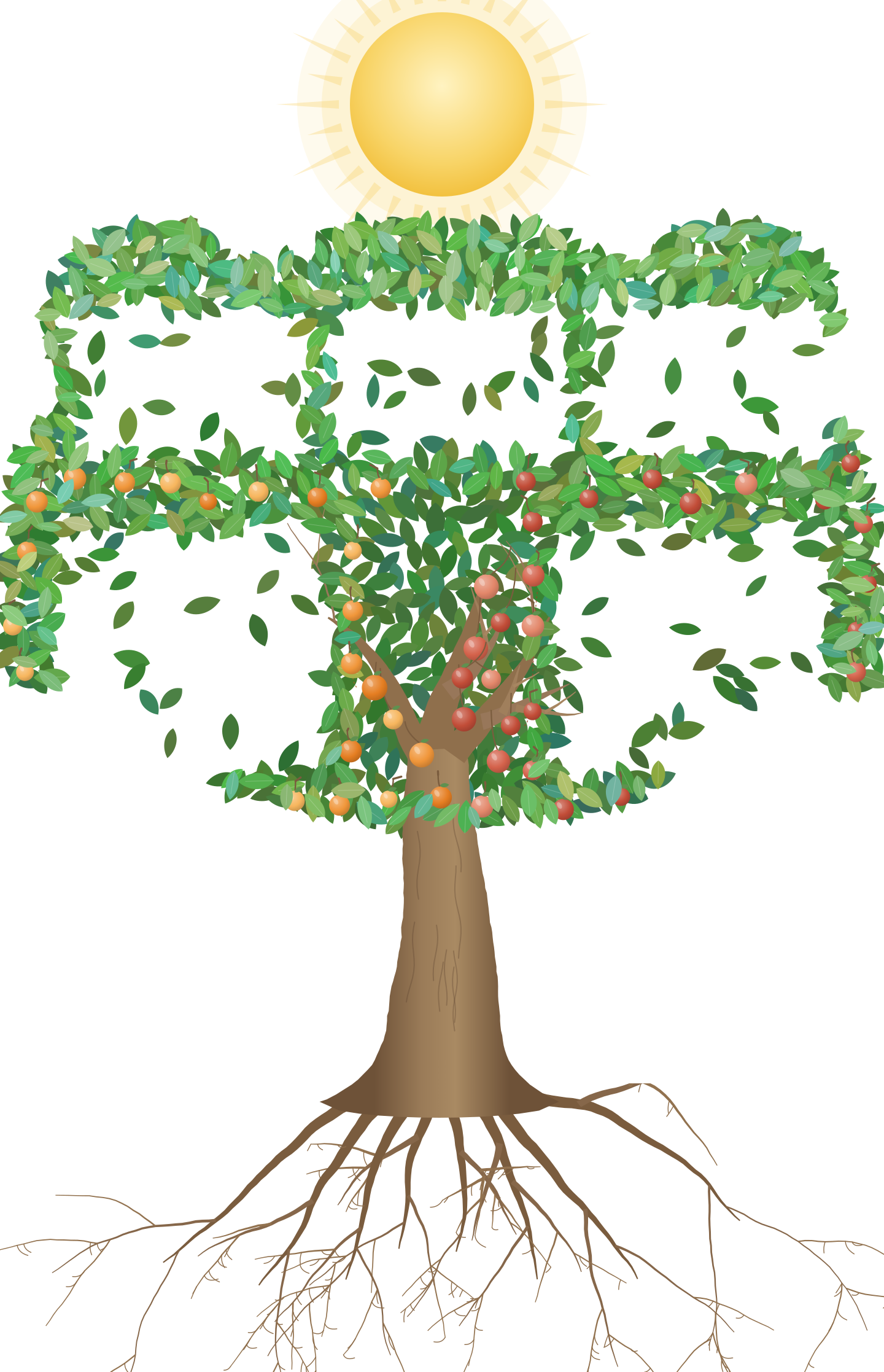
The restored Altiplano drawn as a tree: the landscape in the crown, farming, grazing and forests in the branches, the economy and the community in the trunk, and identity in the roots. Between each layer, what one gives the other.
See more → -
02 Organise
Governance
Who drives it and how do they decide?
The core organisations, the 2026 collaboration agreement, their principles and the circles through which they open up to the rest of the landscape.
See more → -
03 Act
Portfolio
What needs to be done?
The interventions the landscape needs: those the organisations are already driving and those they want to start, grouped by work area, with what they cost, how long they need and whether they can stand on their own commercially.
See more → -
04 Fund
Financial strategy
Where can the money come from?
From each source, through which mechanisms, to which kind of project: a map of how public, philanthropic and private capital can be combined according to the return each project can give.
See more → -
05 Calculate
Economic simulator
What does the transition cost on a farm?
For a typical almond, olive, cereal or pistachio farm: what moving to regenerative practice costs, when it starts to pay off and what credit it can carry.
See more →
Where to start
If this is your first time here, the vision is the best way in: it explains where everything else is heading.